The Photos: How a Mexican-American Dish Looks When It Is Right
Colour, char, melt, crispness and sauce tell you most of what you need to know about a plate before you taste it.
Judge the plate with your eyes first
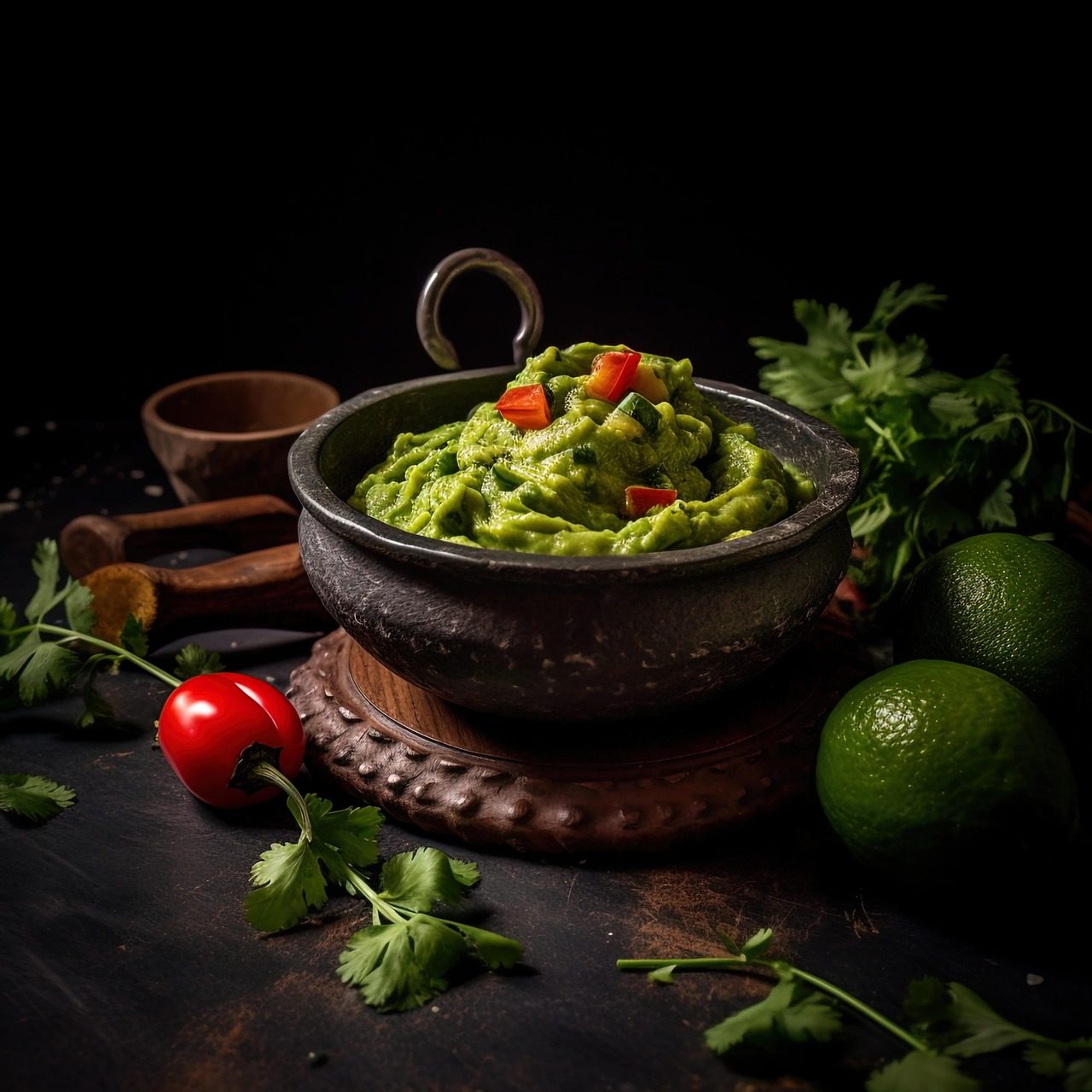
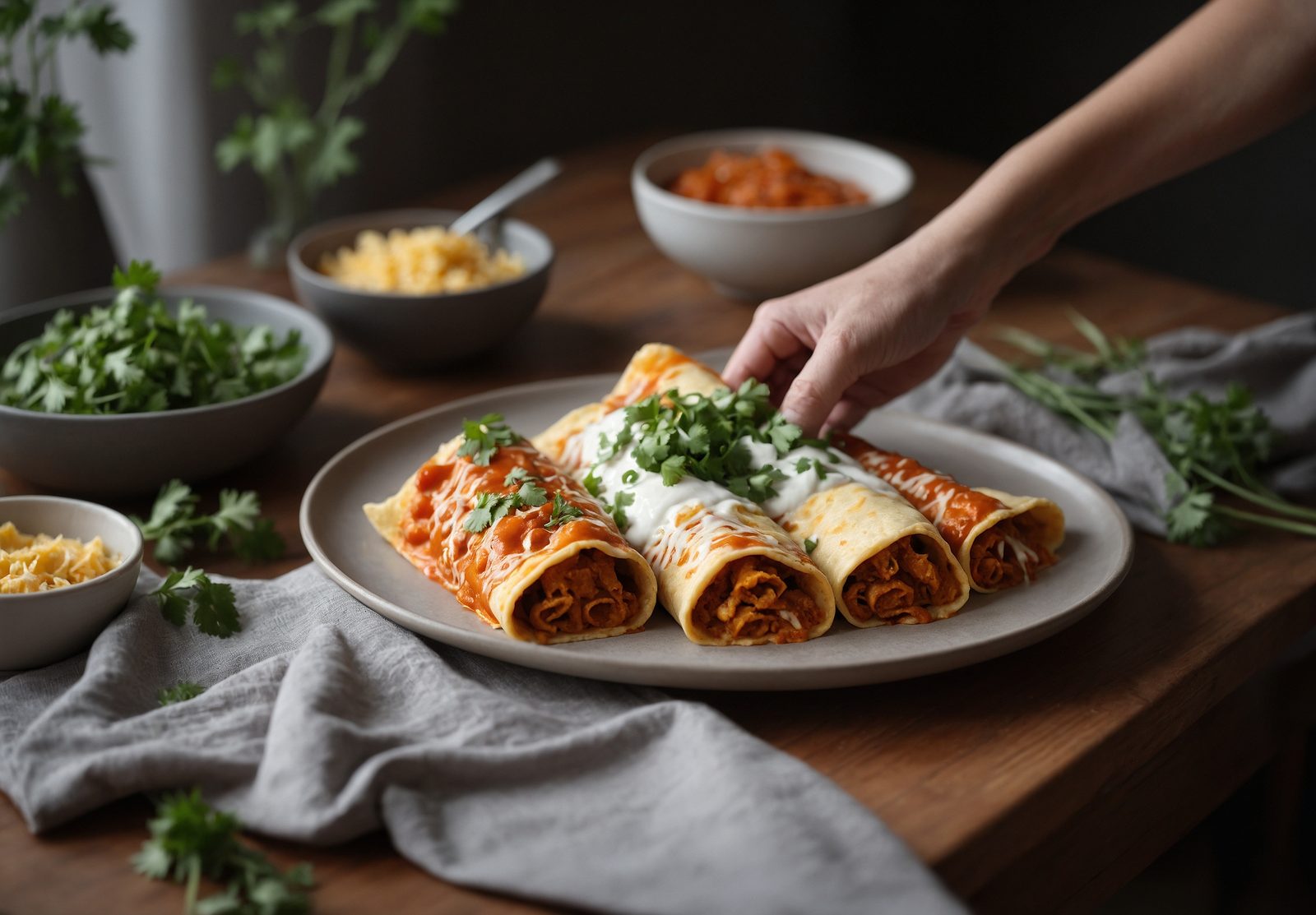
A plate of Mexican-American food tells you a good deal before the first bite. The tortilla, the filling, the sauce, the cheese and the heat each leave a visible sign when they are made properly, and most of those signs show before the fork is picked up. The order below works well for reading a plate: colour first, then the surface, then the edges. The photographs on this page are stock and generated images, chosen to show what each cue looks like, and none of them shows a dish from any particular kitchen.
A picture can show you the colour of a dish, but it cannot show you the inside, so judge the parts you can see and ask about the rest.
Thornton's Ferry Table
If you have not yet chosen the dish, the helper on What We Cook narrows the choice first, and the cues here are for checking what arrives at the table.
Three things that look wrong but may be fine
Why does the cheese look oily instead of melted?
Oil on top of melted cheese usually means the dish sat too long or was reheated too hard, so the fat separated out. A good melt is smooth and holds together, with the edges bubbling a little and the middle soft. If the cheese is only glossy and still holds its shape, the texture is the thing to judge, not the shine.
Is a dark spot on a tortilla a fault?
Not by itself. Corn tortillas toasted on a hot surface pick up brown and black spots, and that char is what a cook is aiming for. The tortilla should still bend without cracking. Cracks, a chalky dry surface or a sour smell are the signs to act on.
Why is there liquid pooled under the enchiladas?
A little juice at the base is normal once sauce and cheese have sat in the dish for a while. A deep pool usually means too much sauce went on at once, or the tortillas were not given time to take it in.
Read a plate in three passes
Colour first
Start with the colour of the tortilla and the filling. Lightly browned corn and meat that is coloured through to the edges suggest the surface was hot. Food that looks grey, pale or steamed did not get much heat.
Then the surface
Check the char and the melt. Char should sit in spots on the tortilla rather than covering it black. Cheese should be melted into the filling and bubbling at the edge, not lying in a cold layer on top.
Finish with the edges
Crisp edges on a fried shell or a flat-top quesadilla mean the plate has not waited. Soft sides and liquid at the base mean it has been sitting, so ask for a fresh one before you eat.
Dish by dish: what to look for and what goes wrong
The table covers six of the dishes this site writes about.
| Dish | What to look for | A sign it went wrong | What to do about it |
|---|---|---|---|
| Tacos | Soft or lightly charred corn tortillas, with meat browned in pieces and a fresh topping of onion and cilantro | Tortillas that tear when lifted, or a filling that has gone cold and grey | Ask for the tortillas to be warmed on a hot surface, or eat them while the filling is still hot. |
| Fajitas | Thin strips of meat with dark char marks, and peppers and onion that still have some colour | Strips that look steamed and pale, with liquid pooled on the platter | Ask for the meat to go back onto a hot griddle before it is served. |
| Enchiladas | Sauce that coats the tortilla, with cheese melted through and bubbling at the edges | Dry, hard tortillas beside a pool of sauce on the plate | Spoon a little warm sauce over the top and eat while the cheese is still soft. |
| Chimichanga | A golden, blistered shell that holds its shape when cut | A pale, greasy shell that has gone soft along the seam | Eat it straight away while the shell is crisp, and reheat leftovers in an oven rather than a microwave to keep the crust. |
| Queso | A smooth, glossy dip that pours slowly and stays even | A grainy surface, or a layer of oil that does not mix back in | Stir it well and warm it gently rather than letting it boil hard. |
| Tres leches | A pale golden top, with the sponge soaked evenly and holding its shape | Milk pooled in the bottom of the dish, or a soggy base | Choose a slice from a dish that has been chilled properly, and skip any slice sitting in milk. |
| Visual cues are a guide to quality, not a food-safety check. A plate that looks right can still be undercooked, and a plate that looks wrong is always worth asking about. | |||
The pictures to hold the cues against